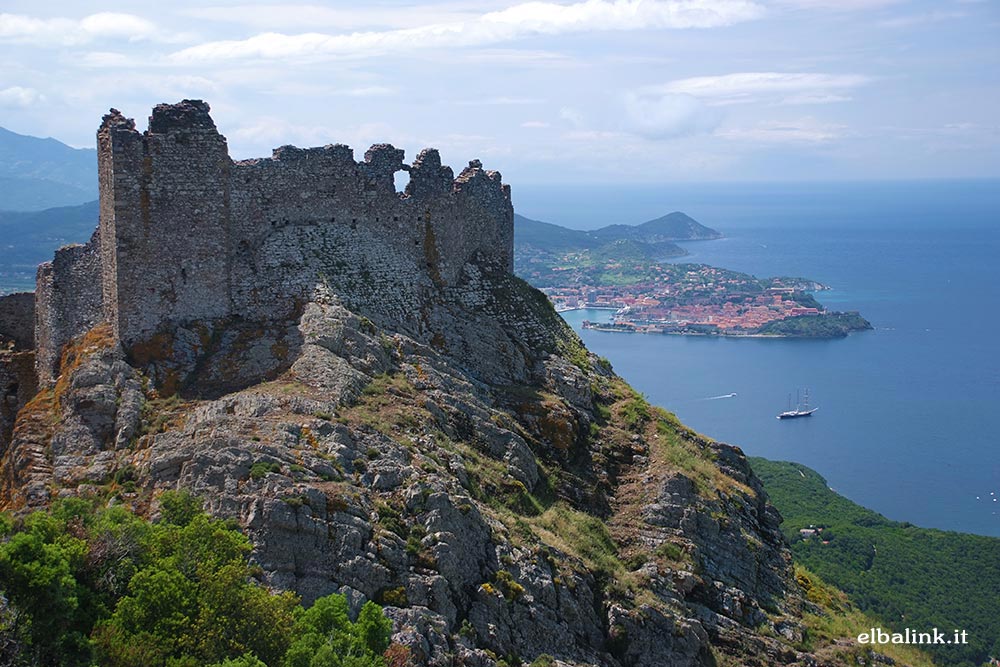
A holiday on the island of Elba
egend has it that the Tuscan Archipelago was born from a necklace that slipped from the neck of Venus, goddess of beauty and love, and fell into the waters of the Tyrrhenian Sea.
There's a grain of truth hidden in this gentle myth, because there's no doubt the islands of the Archipelago really are fragments of paradise.
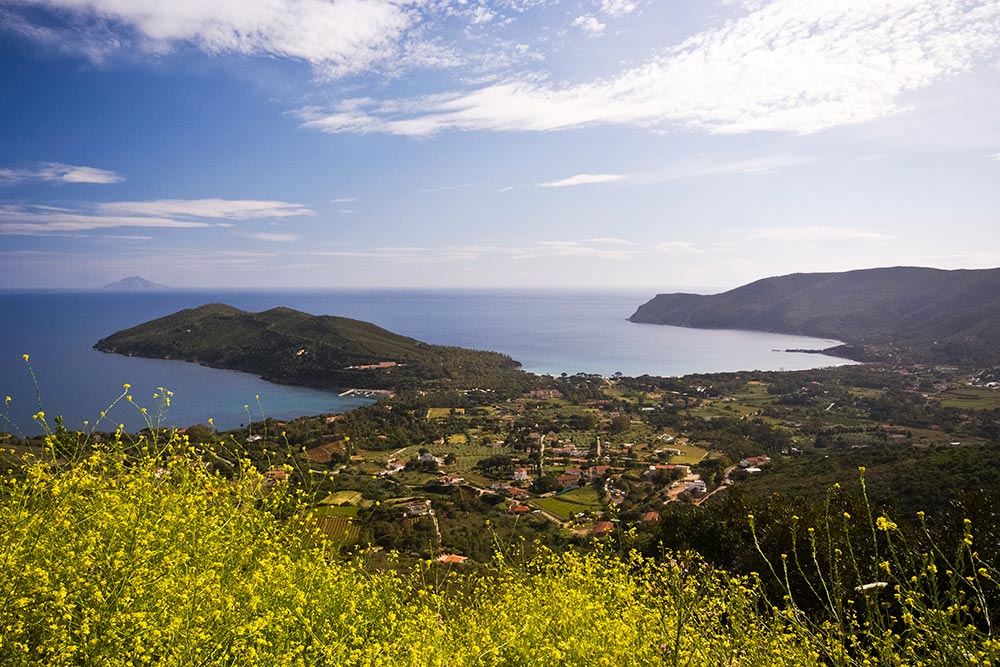
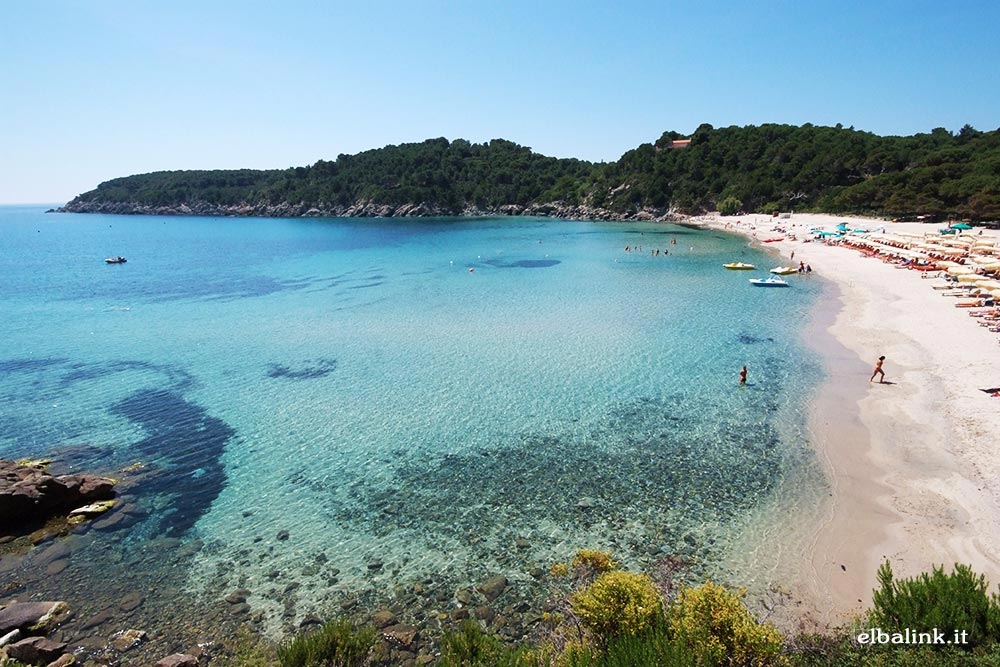
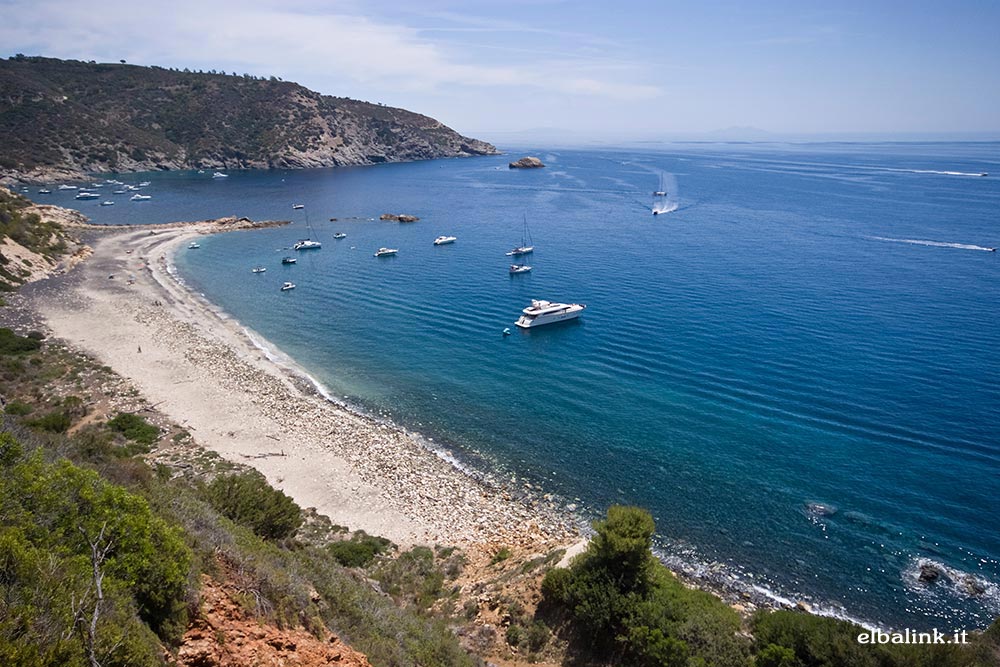
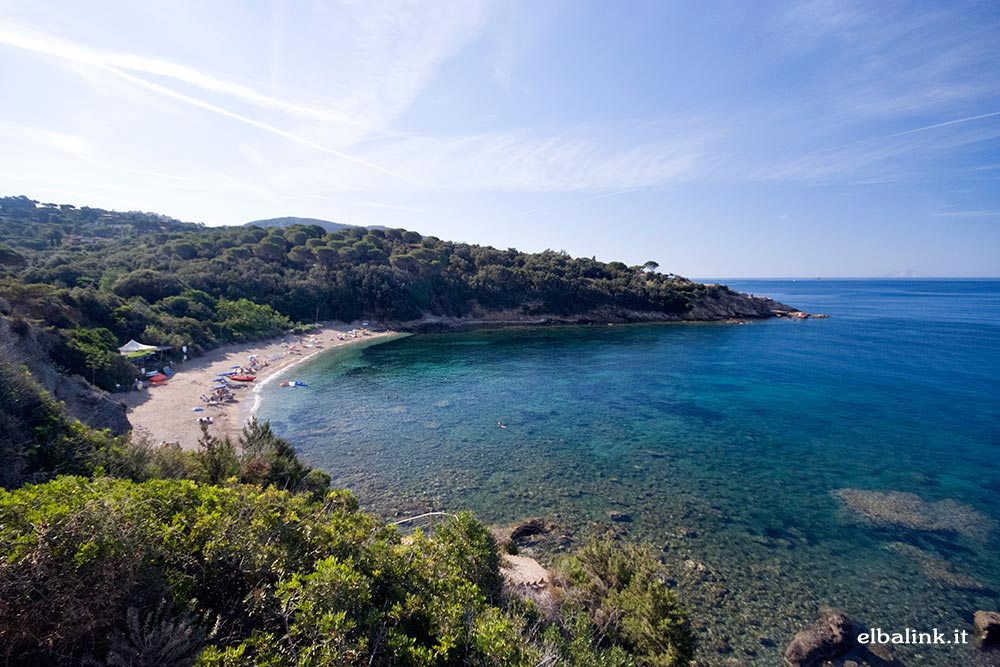
Few other holiday destinations in the world can boast such a rich and varied offering within just a handful of kilometres: from the seabed, a true paradise for divers, to mountains surrounded by centuries-old woods, from beaches and little coves framed by Mediterranean scrub to small hillside villages steeped in timeless calm.
Every visitor can find their own version of a holiday here, whether that's practising their favourite sport, giving in to the ritual of sunbathing, or setting off to discover what the Tuscan Archipelago has to offer in terms of history, culture and food.
A quick guide to the island of Elba
Just 10 km from the mainland, with an area of 224 km², Elba is the largest island in the Tuscan Archipelago and the third-largest Italian island. For thirty years it has been part of the Tuscan Archipelago National Park, together with Pianosa, Capraia, Montecristo, Giglio, Gorgona and Giannutri.
The climate is particularly mild, with an average annual temperature between 15°C and 16°C; seasonal highs average around 14°C in winter, 21°C in spring, 27°C in summer and 20°C in autumn. Sea temperatures around Elba range from around 14°C in winter up to peaks of 25-28°C in the warmer months. The swimming season generally runs from May to October, with the best conditions in July and August.
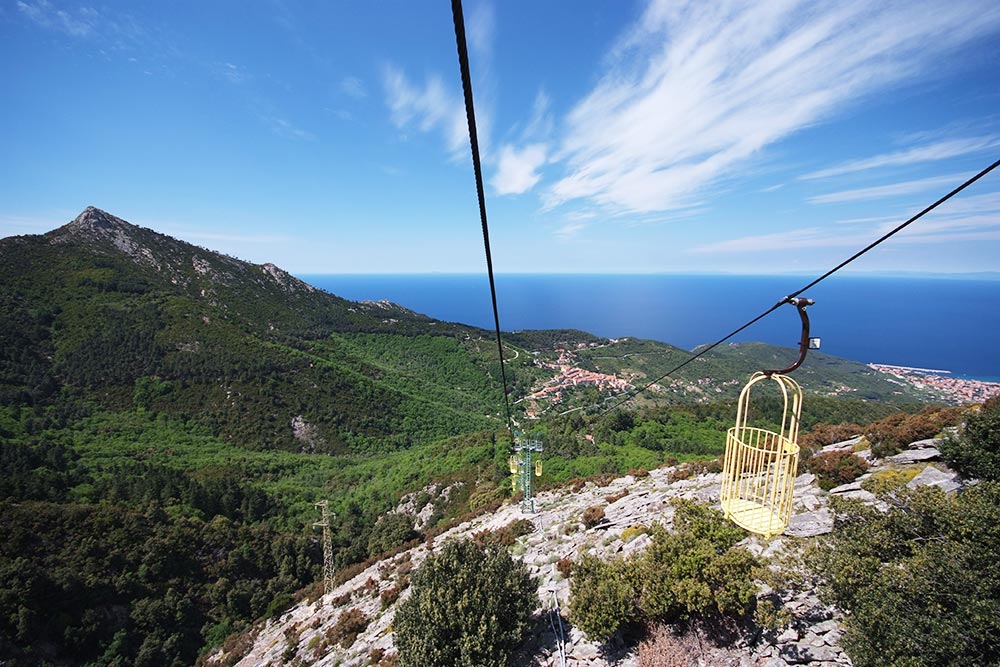
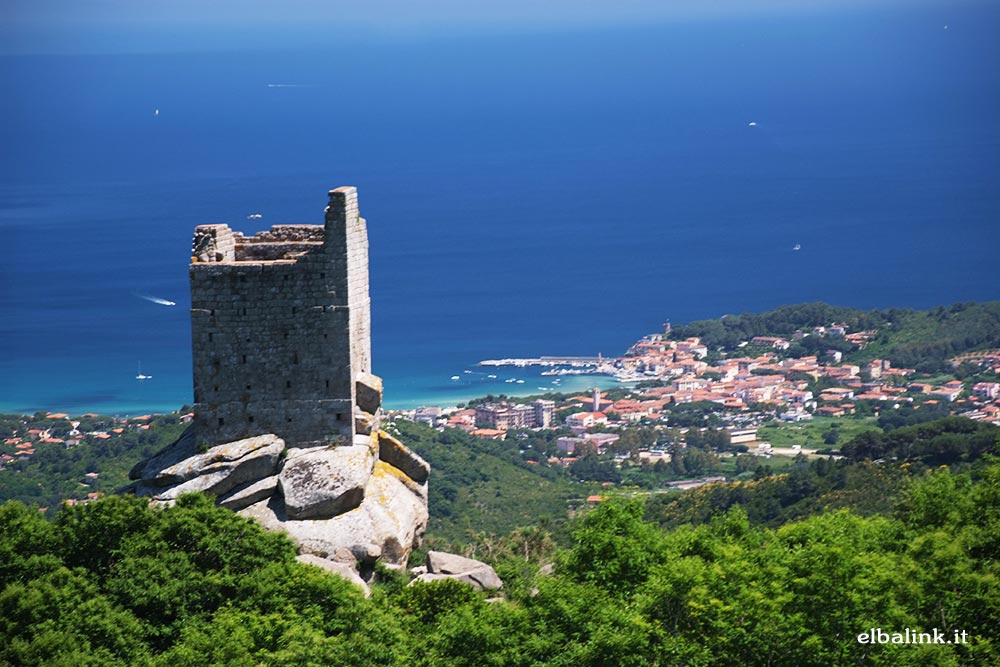
Thanks to its varied coastline (stretching 147 km), the charm of its beaches, and the majestic beauty of the Monte Capanne range (1,019 m), Elba has rightfully become one of the world's best-known holiday destinations.
The main road network (around 160 km) is fully surfaced, with a further 80 km or so of scenic unpaved roads.
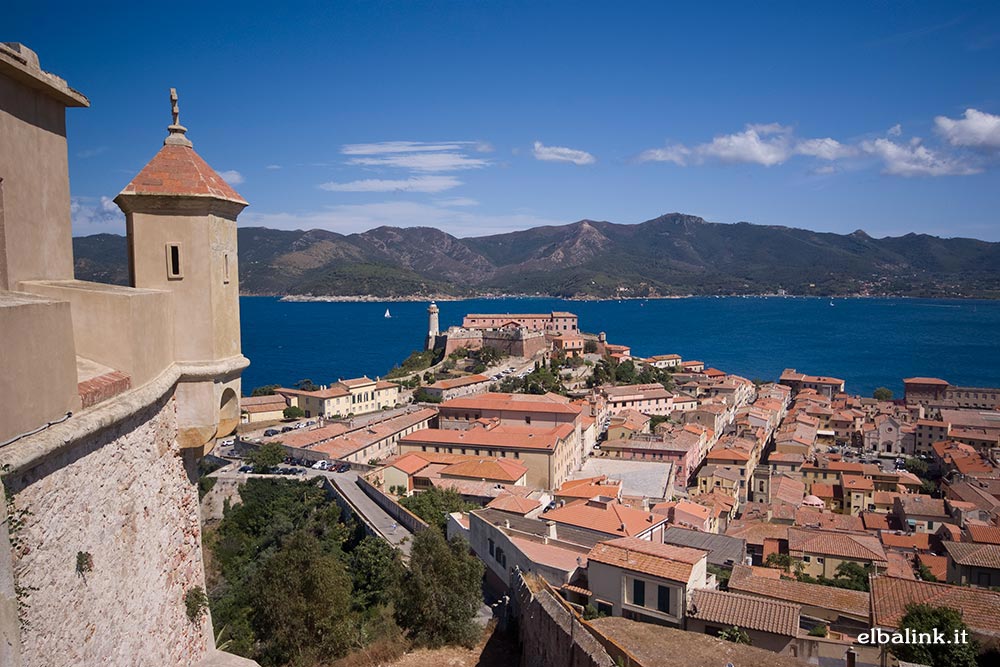
Inhabited since prehistoric times and known for its iron mines since the dawn of recorded history, Elba — called "Ilva" by the Ligurians and "Aethalia" by the Greeks — passed from Ligurian to Greek to Etruscan hands, before remaining Roman for centuries. In the Middle Ages it was ruled by the Pisans, then the Appiani family and the Medici. Over time it drew the interest of various European powers, who left behind numerous traces of their rule.
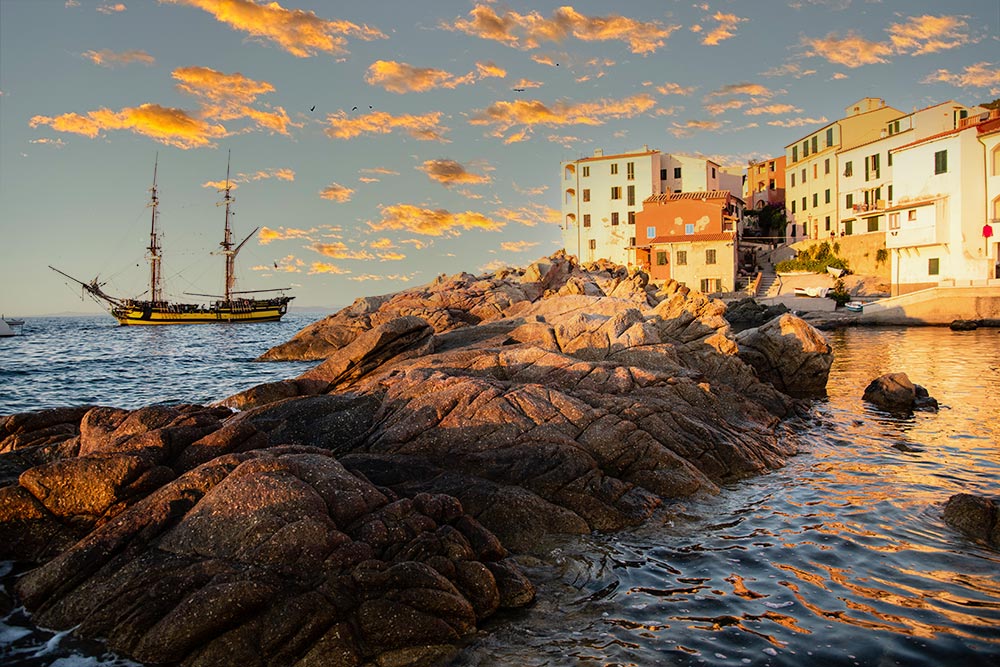
The Medici left a lasting mark on Portoferraio (renamed Cosmopoli in honour of Cosimo de' Medici), as did the Spanish, who built the Fort of San Giacomo, facing Forte Focardo in Porto Azzurro.
Napoleon's brief reign (1814-1815, 9 months and 23 days) left significant traces at the Villa dei Mulini, the Villa di San Martino, the ancient churches of Portoferraio, in Marciana Alta (the Hermitage of Madonna del Monte) and elsewhere.
Administratively, Elba is divided into seven municipalities: Portoferraio, Campo nell'Elba, Capoliveri, Marciana, Marciana Marina, Porto Azzurro and Rio.
Its famous wines and excellent cuisine, combined with unspoilt sea, a dense network of trails perfect for trekking and mountain biking, a mild climate and crystal-clear air, make Elba an ideal destination for rest, holidays and tourism in every season.
Good to know
| Distance from the mainland | 10 kilometres, or around 5 nautical miles at the closest point, the village of Cavo |
| Ports connected to Piombino | Portoferraio, Cavo and Rio Marina |
| Emergency services | The island of Elba has a hospital in Portoferraio, connected by helicopter to Livorno, Pisa and Grosseto |
| Connections to other islands | The island of Elba is connected to Pianosa by Toremar (departing from Piombino and Rio Marina), and in summer to Aquavision (departing from Marina di Campo) |